

Every day, drivers across Des Moines, West Des Moines, Ankeny, Urbandale, and the surrounding metro get behind the wheel expecting an ordinary commute. For thousands of Iowans every year, that ordinary drive turns into a life-altering car accident. In 2024 alone, 351 people died on Iowa roadways, and thousands more were seriously hurt in crashes that never made the evening news but still left victims with medical bills, lost wages, and months of recovery ahead of them.
If you or someone you love has been injured in a car accident in the Des Moines metro, understanding why these crashes happen, what kinds of injuries they tend to cause, and how to protect your legal rights afterward can make an enormous difference in your recovery — both physically and financially. This guide walks through all three, and explains how Des Moines car accident attorney Ward A. (Sam) Rouse and the team at Rouse Law, P.C. have been helping injured Iowans since the mid-1990s.
Why Car Accidents Happen So Often in the Des Moines Metro
Des Moines sits at the crossroads of three major interstates — I-35, I-80, and I-235 — which means the metro absorbs not just local commuter traffic but a steady stream of interstate trucking and cross-country travel. Add in Iowa’s unpredictable weather, rapid suburban growth in communities like Ankeny, Waukee, and Altoona, and a downtown interchange system that funnels tens of thousands of vehicles through the Mixmaster (the I-235/I-35/I-80 interchange) every day, and it’s easy to see why the Des Moines area sees a steady volume of collisions.
According to the Iowa Governor’s Traffic Safety Bureau’s most recent annual highway safety report, Iowa continues to track total fatalities, serious injuries, and specific high-risk behaviors such as impaired, distracted, and unbelted driving as its top safety priorities — precisely because these factors keep showing up again and again in crash data. Below are the causes our firm sees most often when representing injured clients from Polk County and the surrounding area.
1. Distracted Driving
Distracted driving remains one of the most common — and most preventable — causes of car accidents nationwide, and Des Moines is no exception. Texting, checking navigation apps, eating, adjusting the radio, or simply daydreaming all pull a driver’s eyes and attention off the road for critical seconds. At 35 mph, a driver who glances at a phone for just five seconds travels roughly the length of a football field without really watching where they’re going.
Federal crash data compiled by the National Highway Traffic Safety Administration consistently shows that thousands of fatal crashes each year involve a distracted driver, with younger drivers overrepresented in the numbers. Local news outlets have also pushed for stronger distracted-driving laws in Iowa; the Iowa State Patrol has publicly advocated for a hands-free cell phone law after seeing how effective similar legislation has been in neighboring states.

2. Speeding and Aggressive Driving
Between rush-hour frustration on I-235, drivers hurrying to beat a yellow light on Fleur Drive or Merle Hay Road, and impatient merging onto I-80/35, speeding is a constant presence on Des Moines roads. Speed reduces a driver’s reaction time and increases the force of impact in a collision, which is why speed-related crashes are disproportionately likely to result in serious injury or death.

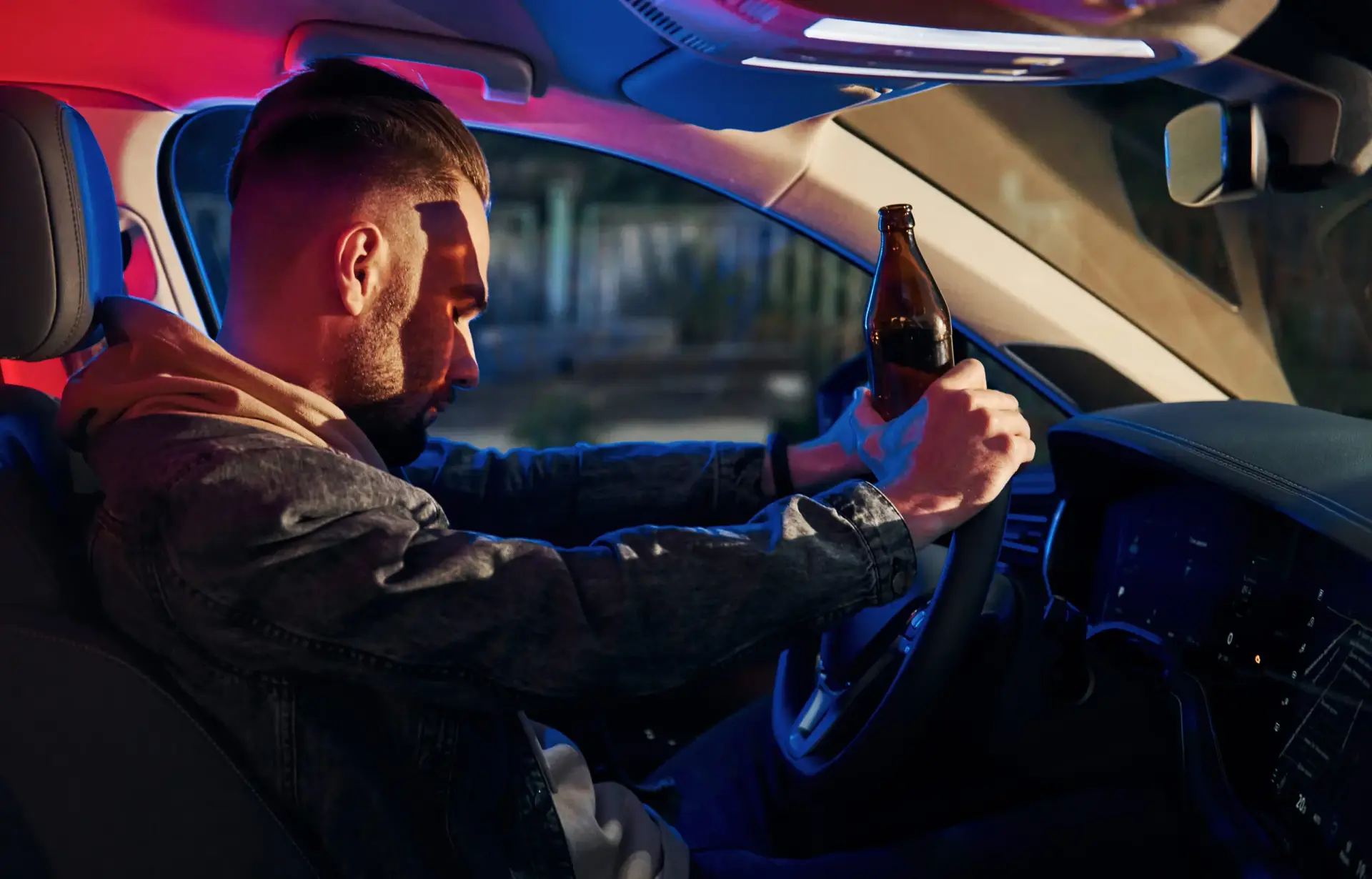
3. Impaired Driving (OWI/DUI)
Despite decades of public education campaigns, drunk and drugged driving continues to cause devastating crashes throughout Iowa. Alcohol and drugs impair judgment, coordination, and reaction time — a dangerous combination at any speed.
4. Severe Winter Weather
Iowa winters bring snow, ice, freezing rain, and sudden whiteout conditions — all of which dramatically increase stopping distances and reduce visibility. Black ice on overpasses and bridges (like those crossing the Des Moines and Raccoon Rivers) is a particularly common cause of multi-vehicle pileups on I-235 and I-35 each winter. Drivers who fail to slow down or adjust their following distance for weather conditions can be found negligent when a crash results.

5. Dangerous Intersections and Left-Turn Collisions
Busy Des Moines intersections — along corridors like Douglas Avenue, University Avenue, SE 14th Street, and Hickman Road — see a disproportionate share of T-bone and left-turn accidents. Drivers misjudging oncoming traffic speed, running red lights, or failing to yield when turning left are common culprits. These crashes often produce severe injuries because the sides of a vehicle offer far less protection than the front or rear crumple zones.
6. Construction Zones
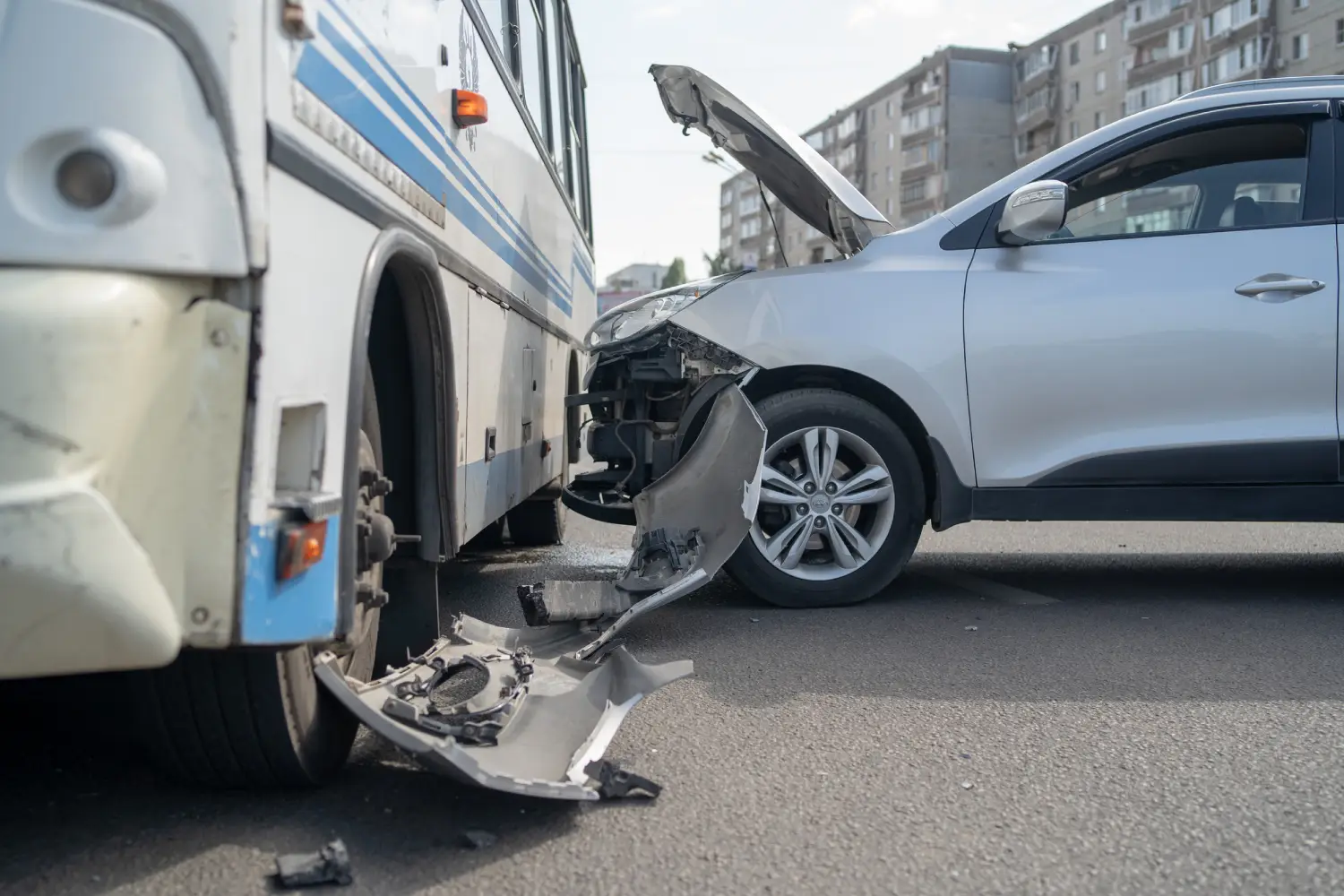
With ongoing roadwork throughout the Des Moines metro — from interstate resurfacing to local street projects — construction zones create sudden lane shifts, narrowed lanes, and stop-and-go traffic. Drivers who don’t slow down or who follow too closely in these zones frequently cause rear-end collisions.
7. Commercial Truck Traffic
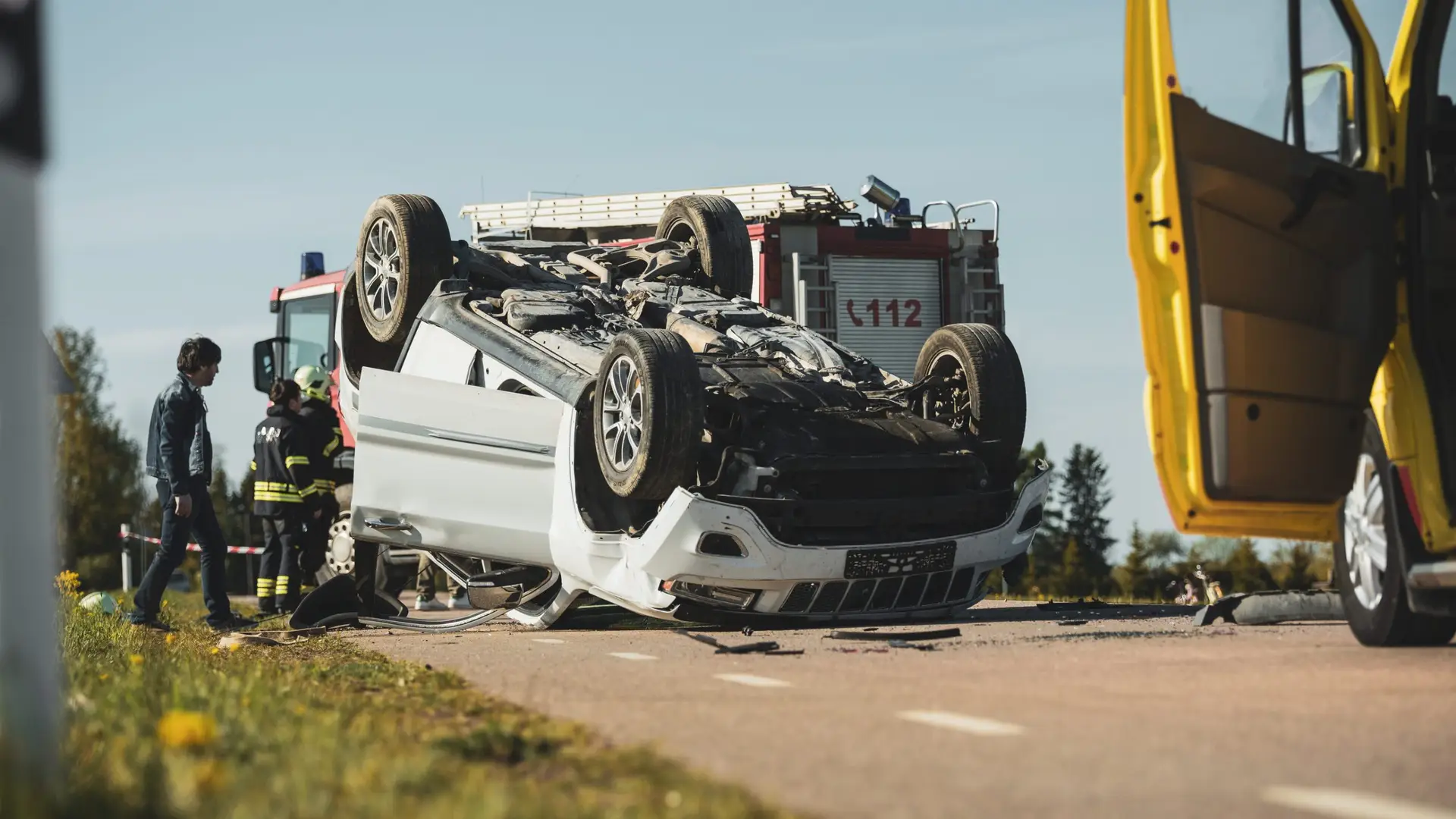
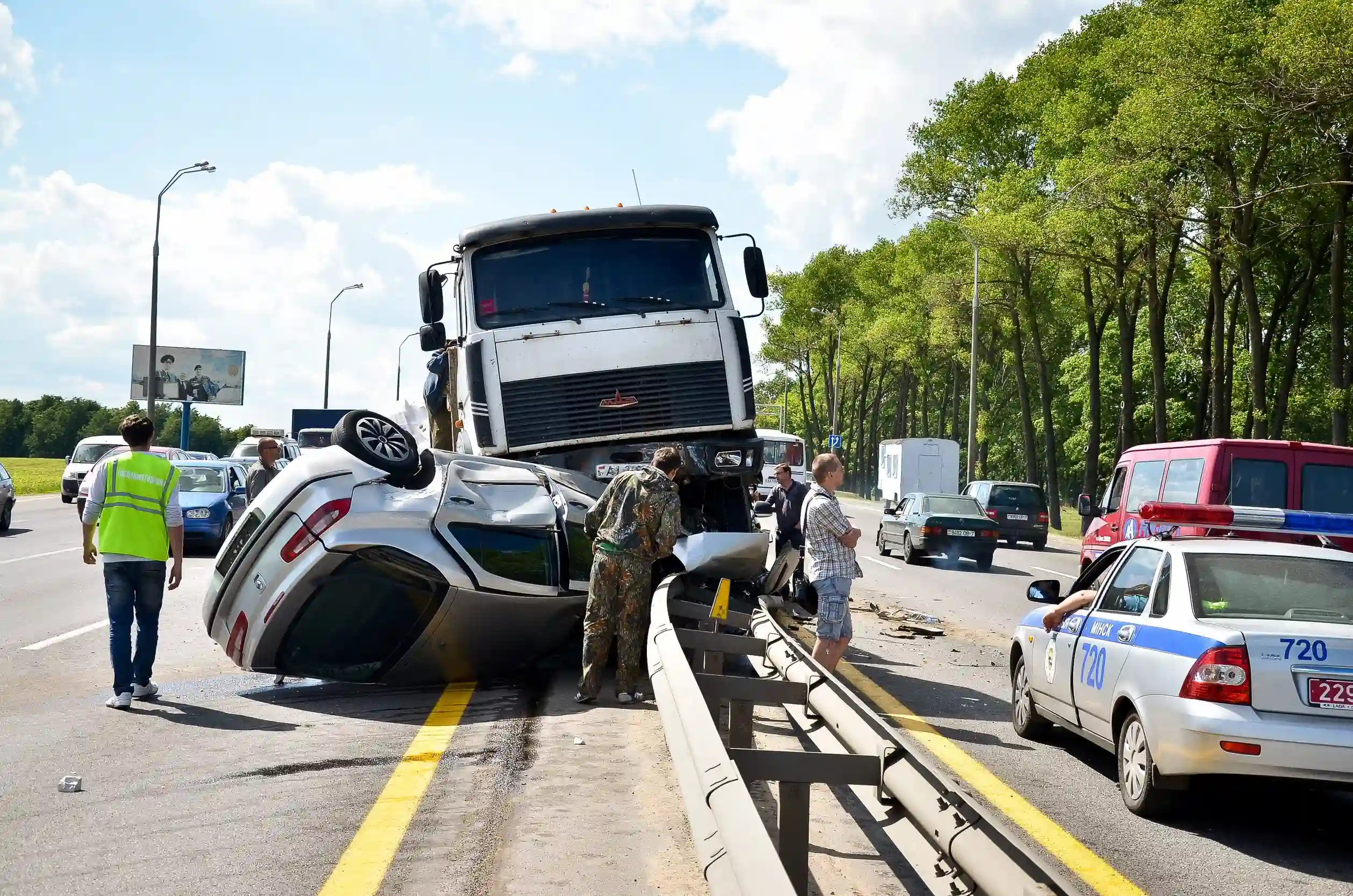
Because Des Moines sits along major interstate freight routes, semi-trucks and commercial vehicles make up a significant share of metro traffic. Truck accidents often involve unique factors like driver fatigue, improperly secured cargo, and the sheer size disparity between a loaded semi and a passenger vehicle — which is why our firm handles truck accident cases as a distinct practice area from standard car accident claims.
8. Poor Road Conditions and Rural Highways
Outside the urban core, gravel roads, unmarked intersections, and narrow shoulders around Polk, Dallas, and Warren counties present their own hazards, especially at night or during harvest season when farm equipment shares the road with passenger vehicles.
9. Rush-Hour Congestion and Following Too Closely
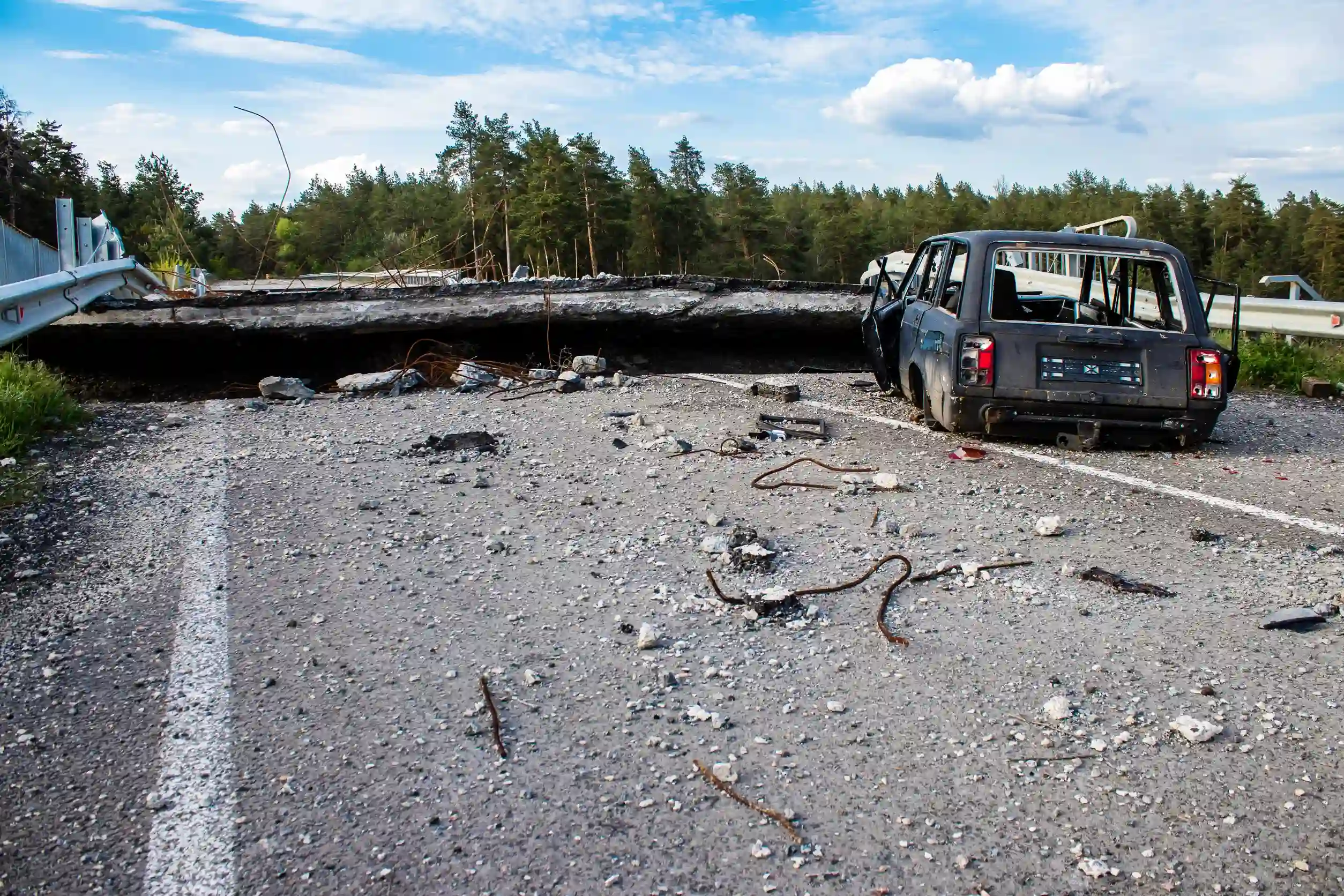
Des Moines doesn’t have the gridlock of a major coastal city, but the morning and evening commute along I-235, Fleur Drive, and the Grand Avenue/Ingersoll corridor still produces plenty of stop-and-go traffic. Rear-end collisions are especially common during these windows, usually caused by a driver following too closely or looking down at a phone for “just a second” while traffic is stopped ahead.
10. Fatigued Driving
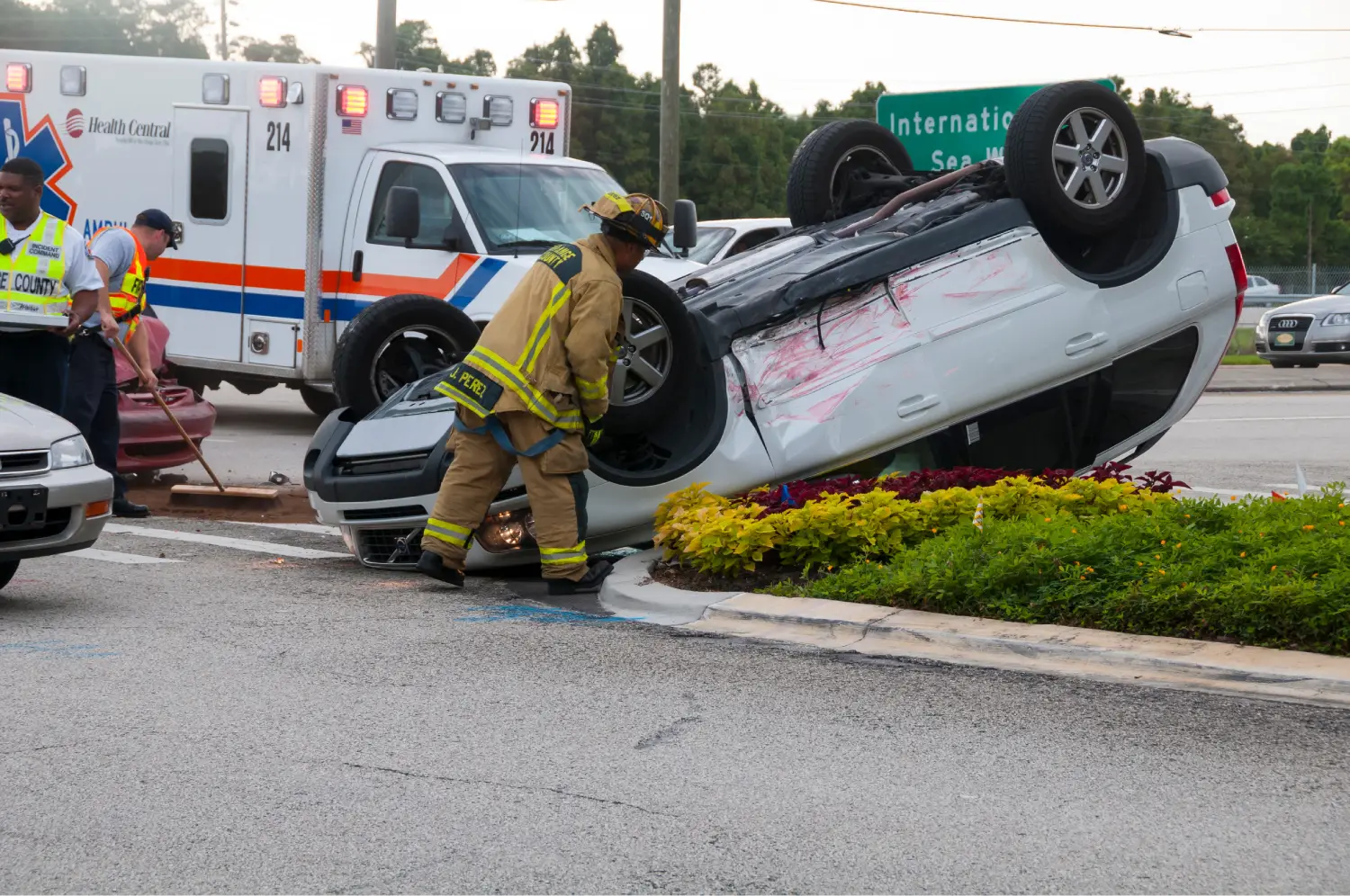
Drowsy driving shares many of the same dangers as impaired driving — slowed reaction time, poor judgment, and in the worst cases, a driver who briefly falls asleep at the wheel. Commercial truck drivers on long interstate hauls, shift workers, and parents running on too little sleep are all common examples our firm sees in fatigue-related crash claims.
Understanding why a crash happened is often the first step toward proving fault. Iowa follows a modified comparative fault rule, meaning an injured person can still recover compensation even if they were partly at fault for a crash, as long as their share of fault is 50% or less — though their compensation is reduced by their percentage of fault. That makes a thorough investigation into the true cause of the accident critically important to the value of a claim.
Common Injuries in Des Moines Car Accidents
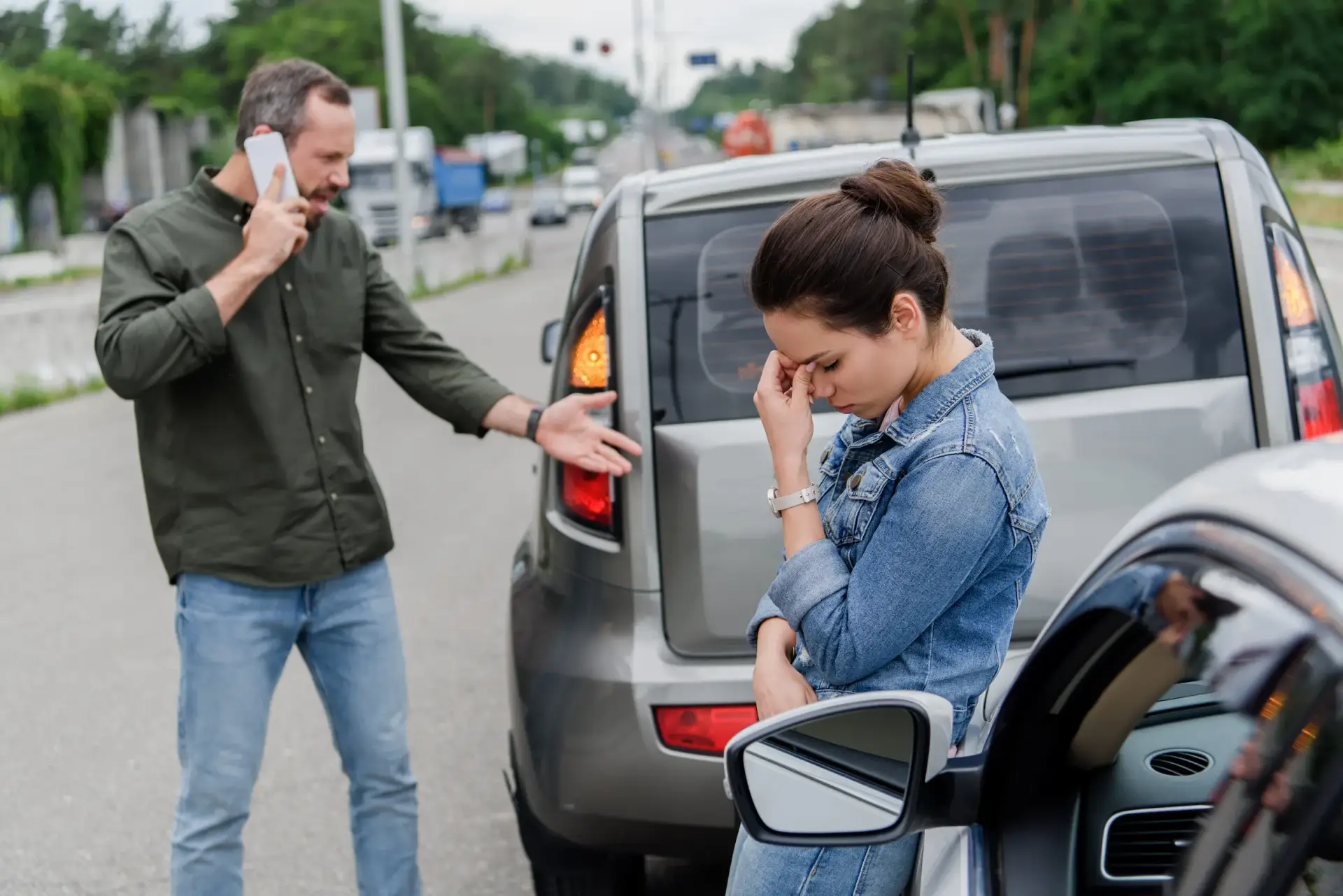
No two crashes are identical, and the injuries a person sustains depend on factors like speed, point of impact, seatbelt use, and vehicle size. That said, our firm sees certain categories of injury again and again when representing car accident victims.
Whiplash and Soft Tissue Injuries
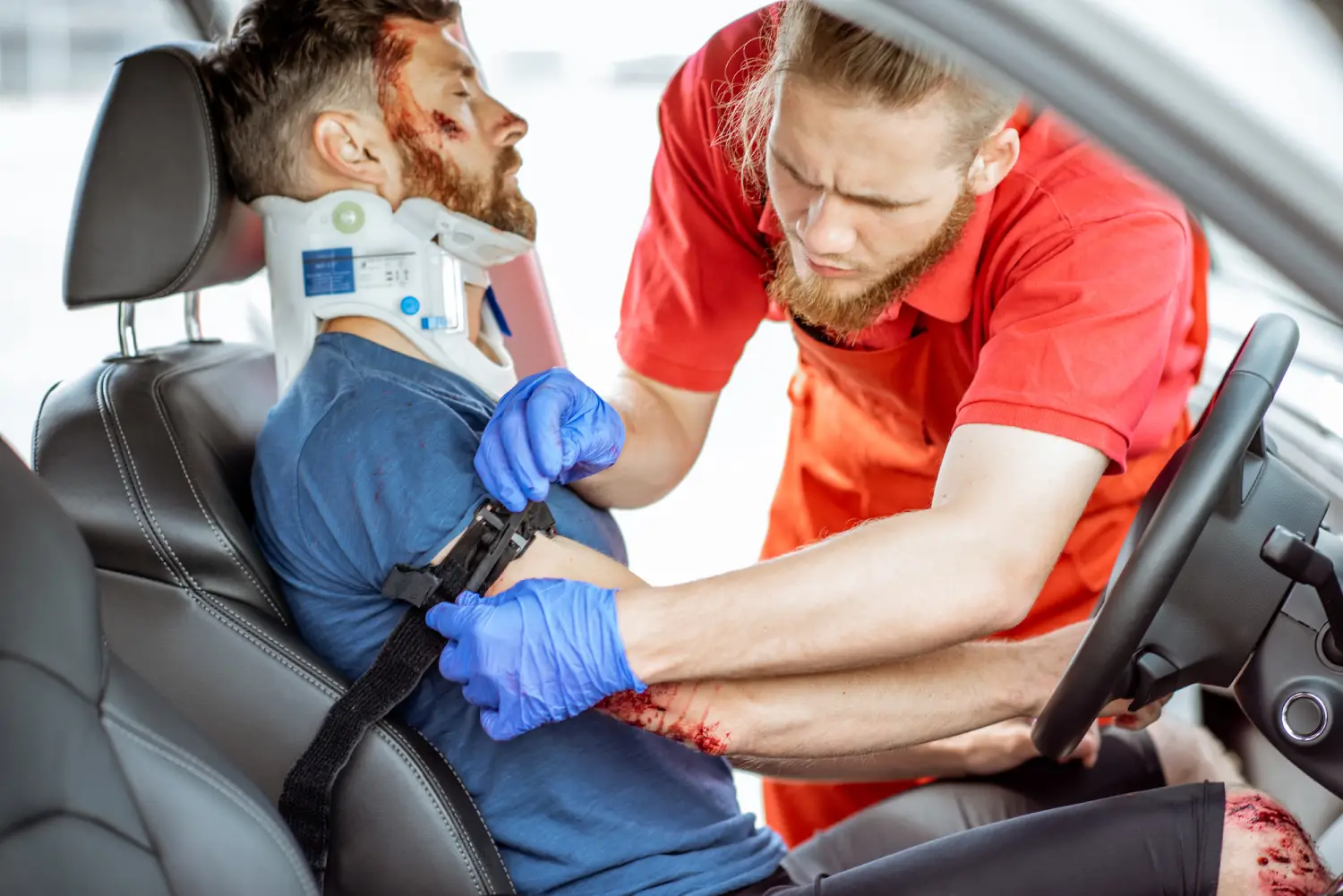
Whiplash — the rapid back-and-forth motion of the neck during a collision — is one of the most common car accident injuries, even in relatively low-speed rear-end crashes. Symptoms like neck pain, stiffness, headaches, and reduced range of motion can take hours or even days to fully appear, which is one reason medical evaluation right after a crash is so important.

Traumatic Brain Injuries (TBI)
A blow to the head, or even the violent jolting of the brain inside the skull during a sudden stop, can cause anything from a mild concussion to a severe traumatic brain injury. TBIs can produce cognitive, emotional, and physical symptoms that don’t show up immediately, including memory problems, mood changes, dizziness, and difficulty concentrating. Because these injuries can significantly affect a person’s ability to work and function long-term, they’re often central to catastrophic injury claims.

Spinal Cord Injuries
High-impact collisions can damage the vertebrae, discs, or the spinal cord itself, sometimes resulting in partial or complete paralysis. Even without paralysis, herniated discs and other spinal injuries frequently require ongoing pain management, physical therapy, or surgery.

Broken Bones and Fractures
The force of a car accident routinely fractures arms, legs, ribs, wrists, and collarbones, particularly in T-bone or high-speed collisions. Some fractures heal with a cast, while others — especially compound or comminuted fractures — require surgical intervention and extended rehabilitation.
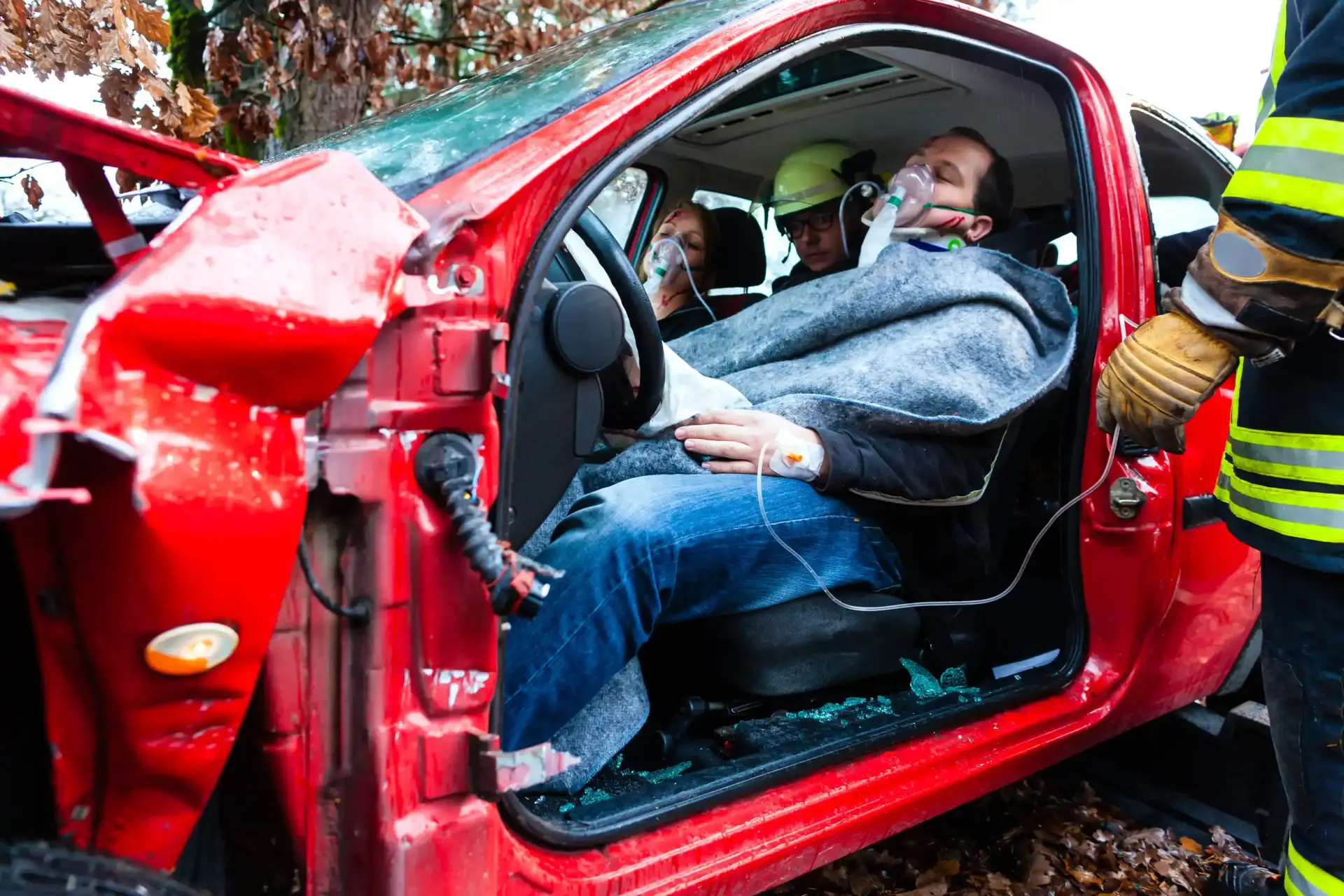
Internal Injuries
Blunt force trauma from a seatbelt, steering wheel, or airbag can cause internal bleeding or organ damage that isn’t always obvious right away. Internal injuries are one of the most dangerous consequences of a car accident precisely because symptoms can be delayed, underscoring the importance of a thorough medical exam after any collision.

Cuts, Lacerations, and Scarring
Broken glass, twisted metal, and airbag deployment can all cause cuts and lacerations, some of which lead to permanent scarring or require plastic surgery.

Psychological Injuries
The emotional aftermath of a serious crash is real and often overlooked. Post-traumatic stress, anxiety about driving, and depression are common among car accident survivors, particularly after a crash involving a fatality or catastrophic injury. Iowa law recognizes pain and suffering — including psychological harm — as a compensable element of a personal injury claim.
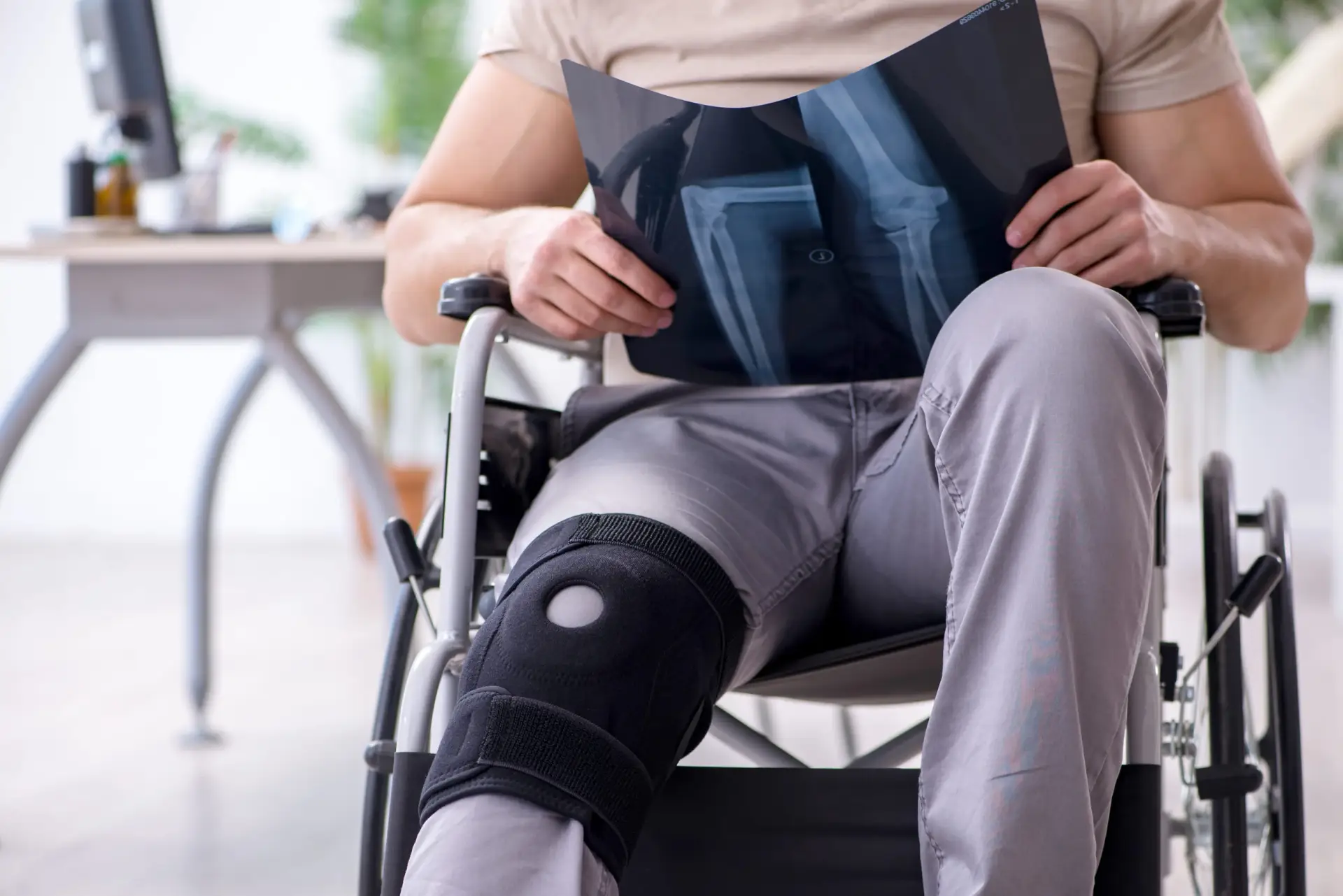
Knee, Joint, and "Dashboard" Injuries
In frontal collisions, a driver or passenger’s knees can slam into the dashboard or center console, causing torn ligaments, kneecap fractures, or hip injuries. These injuries are sometimes overlooked in the initial rush of an ER visit but can require surgery, such as an ACL reconstruction, and months of physical therapy.

Seatbelt and Airbag Injuries
Seatbelts and airbags save lives, but they can also cause their own injuries — bruised or fractured ribs, chest wall contusions, and facial or eye injuries from airbag deployment are all common. These injuries are still compensable, even though they resulted from a safety device doing its job, because they wouldn’t have occurred but for the at-fault driver’s negligence.

Wrongful Death
Tragically, some Des Moines car accidents are fatal. When a crash claims the life of a loved one, surviving family members may be entitled to pursue a wrongful death claim to recover funeral and burial expenses, lost financial support, and compensation for the loss of companionship — while also holding the responsible driver accountable.
What to Do After a Car Accident in Des Moines
What you do in the minutes, days, and weeks following a car accident can significantly affect both your health and your ability to recover fair compensation. Here’s a step-by-step guide.
1. Prioritize Safety and Call 911
If you’re able, move your vehicle out of traffic and turn on your hazard lights. Call 911 immediately — even for accidents that seem minor. A police response ensures an official accident report is generated, which becomes a critical piece of evidence later, and it ensures paramedics can evaluate anyone who may be injured.
2. Get a Medical Evaluation, Even If You "Feel Fine"
Adrenaline can mask pain for hours after a crash, and injuries like whiplash, concussions, and internal bleeding often don’t produce obvious symptoms right away. Seeing a doctor promptly does two things: it protects your health, and it creates a medical record that connects your injuries to the crash — something insurance companies scrutinize closely when evaluating a claim.
3. Document the Scene
If it’s safe to do so, use your phone to photograph vehicle damage, license plates, skid marks, road conditions, traffic signals, and any visible injuries. These photos can become invaluable evidence, especially since damaged vehicles are often repaired or scrapped within weeks.
4. Exchange Information — Carefully
Get the other driver’s name, contact information, insurance details, and license plate number. It’s fine to briefly acknowledge the accident occurred, but avoid discussing fault or apologizing at the scene — those statements can later be used against you during a claim.
5. Collect Witness Information
If bystanders saw the crash, ask for their names and phone numbers. Independent witness testimony can be powerful evidence, particularly in disputed liability cases.
6. Be Cautious with Insurance Companies
You’ll likely need to report the accident to your own insurer, but be careful about giving a recorded statement to the other driver’s insurance company before speaking with an attorney. Insurance adjusters are trained to ask questions designed to minimize the value of your claim, and early statements — even innocent ones — can be used to dispute your injuries later.
7. Keep Records of Everything
Save medical bills, repair estimates, pay stubs showing missed work, and a journal of your pain, limitations, and recovery. These records help establish the full scope of your damages.
8. Follow Through on Medical Treatment
Gaps in treatment or skipped follow-up appointments can be used by insurers to argue that your injuries weren’t as serious as claimed, or that something else caused a worsening condition. Follow your doctor’s recommendations closely, even after the initial pain subsides.
9. Understand Iowa's Statute of Limitations
Under Iowa Code chapter 614, most personal injury claims — including those arising from car accidents — must generally be filed within two years of the date of the crash. Missing this deadline can permanently bar you from recovering compensation, no matter how strong your case is, so it’s important not to wait too long to speak with an attorney.
10. Contact a Des Moines Car Accident Attorney
Before accepting any settlement offer, it’s worth having an experienced Des Moines car accident lawyer review your case. Insurance companies are businesses, and their first offer is rarely designed to fully cover your medical expenses, lost inco
Meet Des Moines Car Accident Attorney Ward A. (Sam) Rouse
For more than two decades, Ward A. (Sam) Rouse has represented injured clients throughout the Des Moines metro with a hands-on, personally invested approach to legal representation. Mr. Rouse founded Rouse Law, P.C. back in the mid-1990s, building the firm around a simple philosophy: every client deserves attentive, honest representation — not to be treated as just another case file.
Since opening his Des Moines law firm, Mr. Rouse has focused his career on personal injury law, with car accidents, truck accidents, and motorcycle accidents making up a significant share of his caseload. Over the decades, he and his team have represented hundreds of injured Iowans, negotiating with insurance companies and, when necessary, litigating in court to hold negligent drivers accountable.
Mr. Rouse’s decades of courtroom and negotiation experience have earned him recognition within the Iowa legal community, including a Super Lawyers rating and inclusion among the National Trial Lawyers. As a boutique, dedicated firm, Rouse Law, P.C. is able to provide the kind of personalized attention that larger firms often can’t match — clients work directly with Mr. Rouse and his team rather than getting passed between paralegals and case managers they’ve never met.
Mr. Rouse’s own words capture the philosophy that has guided his practice for decades: he strives to do his best for every client in every case, working hard not only to obtain results but also to remain accessible and keep clients informed throughout the process. That commitment to communication is something clients consistently point to — knowing your Des Moines personal injury attorney will actually pick up the phone and explain where your case stands matters enormously during a stressful time.
A Car Accident Lawyer with a Track Record Built Over Decades
Few things matter more when choosing a car accident attorney than experience with the specific type of case you’re facing. Over more than two decades of practice, Mr. Rouse has represented clients through the full range of car accident scenarios — rear-end collisions, T-bone crashes at busy intersections, multi-vehicle pileups during winter storms, and hit-and-run cases. That breadth of experience means he’s seen how insurance companies evaluate nearly every type of claim, and he knows how to build a case that anticipates their objections before they’re raised.

A Client-First, Contingency Fee Approach
Rouse Law, P.C. represents car accident victims in Des Moines on a contingency fee basis, which means clients pay no attorney’s fees unless Mr. Rouse successfully recovers a settlement or verdict on their behalf. This structure exists precisely because serious car accidents often leave victims dealing with mounting medical bills and lost income at the same time — the last thing an injured person needs is another upfront expense. Every initial consultation with Rouse Law, P.C. is also free, giving injured Iowans a no-risk way to understand their legal options.

How a Des Moines Car Accident Lawyer Can Help Your Claim
Handling a car accident claim in Des Moines on your own can be overwhelming, particularly while you’re recovering from an injury. Here’s how working with an experienced attorney typically helps:
- Investigating the car crash. This can include obtaining the police report, photographing the scene and vehicle damage, tracking down surveillance or dashcam footage, and interviewing witnesses before memories fade or evidence disappears.
- Identifying all liable parties. In some crashes, more than one party may share fault — for example, a distracted driver and a municipality responsible for a poorly maintained intersection.
- Calculating the full value of your personal injury claim. This includes not just current medical bills, but future medical care, lost earning capacity, property damage, and pain and suffering.
- Negotiating with insurance adjusters. A car accident attorney who understands how insurers evaluate claims can push back against lowball offers and unfair claims-handling tactics.
- Filing suit and litigating, if necessary. While most car accident claims settle out of court, having a Des Moines car accident attorney who is prepared to take a case to trial often strengthens your negotiating position from the outset.
- Managing deadlines and paperwork. From the initial claim filing to court documents and discovery requests, a car accident lawyer keeps track of every deadline so a technicality never costs you your right to compensation.
- Coordinating with medical providers. In some cases, a car accident attorney can help arrange treatment on a lien basis when a client doesn’t have health insurance or the financial means to pay upfront, ensuring injuries don’t go untreated while a claim is pending.
Because Rouse Law, P.C. is a small firm, clients aren’t handed off to a rotating cast of case managers. You work directly with Mr. Rouse and a small, dedicated team who know the details of your injury case from the first phone call through final resolution.
What Compensation Is Available After a Des Moines Car Accident?
Iowa law allows injured car accident victims to pursue both economic and non-economic damages from the at-fault driver (or their insurance company). Depending on the facts of your case, compensation may include:
- Medical expenses — emergency care, hospitalization, surgery, physical therapy, prescription medication, and anticipated future treatment.
- Lost wages and lost earning capacity — income missed during recovery, as well as reduced future earning potential if an injury results in permanent limitations.
- Property damage — the cost to repair or replace your vehicle and any personal property damaged in the crash.
- Pain and suffering — compensation for physical pain, emotional distress, and the overall impact the injury has had on your quality of life.
- Loss of consortium — in some cases, a spouse may be entitled to compensation for the loss of companionship caused by a partner’s serious injury.
- Punitive damages — in rare cases involving especially reckless conduct, such as extreme intoxication, Iowa law may allow for additional damages meant to punish the at-fault driver.
Every injury case is different, and the value of a claim depends heavily on the severity of the injury, the strength of the evidence, and the available insurance coverage. Our experienced Des Moines personal injury attorney can help you understand what your specific case may be worth.
Frequently Asked Questions About Des Moines Car Accident Claims
In most cases, Iowa’s statute of limitations gives injury victims two years from the date of the crash to file a lawsuit. Certain circumstances can affect this deadline, so it’s best to consult an attorney as soon as possible after your accident. Visit our FAQ page for more answers to common questions.
If you carry uninsured or underinsured motorist coverage, you may be able to file a claim through your own insurance policy. An attorney can help review your policy and pursue every available source of compensation.
Most car accident claims are resolved through negotiation with the insurance company, but Rouse Law, P.C. prepares every case as though it may go to trial. That preparation often leads to a stronger settlement, and if a fair resolution can’t be reached, Mr. Rouse is prepared to litigate on your behalf.
Rouse Law, P.C. handles car accident cases on a contingency fee basis, meaning there are no upfront legal fees. You only pay if Mr. Rouse recovers compensation for you.
Under Iowa’s modified comparative fault rules, you may still be able to recover compensation even if you share some responsibility for the crash, as long as you’re not found more than 50% at fault. Your total award would be reduced by your percentage of fault.
Car Accident Attorney Serving Des Moines and the Surrounding Communities
Rouse Law, P.C. represents car accident victims throughout the Des Moines metro, including West Des Moines, Ankeny, Urbandale, Johnston, Waukee, Clive, Altoona, and Indianola, as well as clients throughout central Iowa. Whether your crash happened on I-235, a residential street, or a rural highway outside the metro, the firm’s decades of experience with Iowa car accident claims apply just the same.
Injured in a Des Moines Car Accident? Contact Rouse Law, P.C. for a Free Consultation
A car accident in Des Moines can upend your life in an instant — but you don’t have to navigate the aftermath alone. If you or a loved one has been injured in a car accident anywhere in the Des Moines metro, contact Rouse Law, P.C. today for a free, no-obligation consultation. Des Moines car accident attorney Ward A. (Sam) Rouse and his team will review the details of your case, explain your legal options in plain language, and fight to hold the at-fault party accountable — so you can focus on healing.
Rouse Law, P.C. 4940 Pleasant Street, West Des Moines, IA 50266
Phone: (515) 223-9000
rouselaw.us